
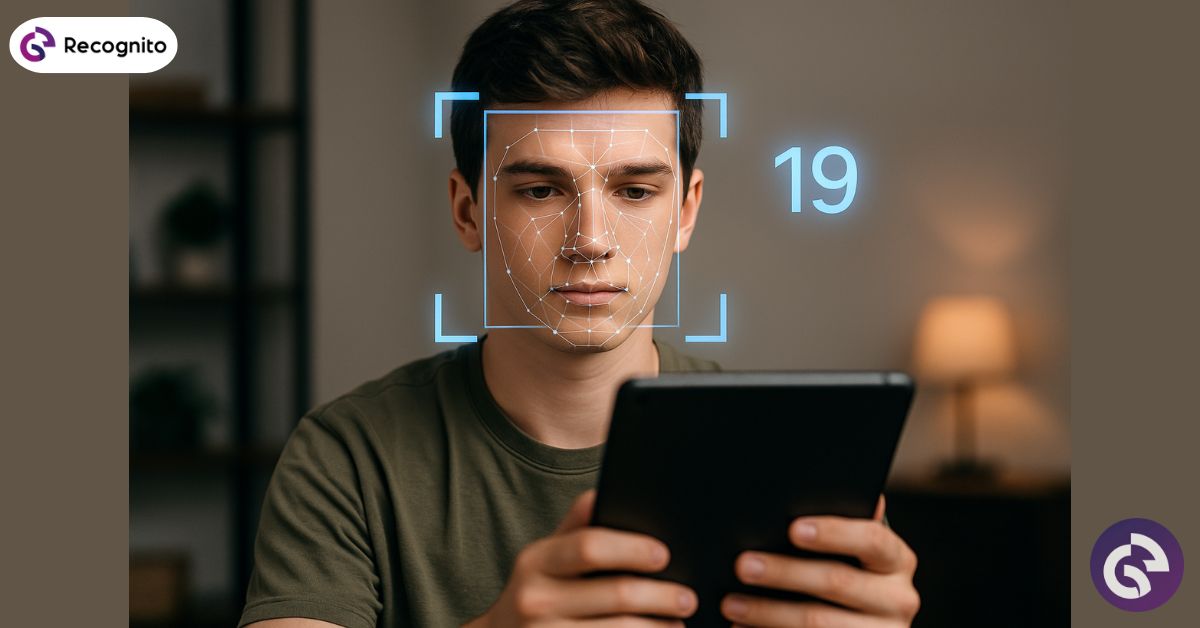
In today’s fast-moving digital world, knowing the real age of your users is more than a safety measure. It is a responsibility. Businesses in gaming, e-commerce, adult platforms, retail, and social media, especially those growing rapidly in India’s digital economy, are under pressure to verify users quickly and accurately. Fake IDs such as edited Aadhaar cards, PAN cards, or altered Driving Licences are becoming dangerously good. Regulations are becoming stricter. And minors are finding new creative ways to slip into spaces they should not be in.
This is where a modern age verification system becomes a lifesaver. It gives companies the confidence that every interaction is genuine, compliant, and safe.
Artificial intelligence has pushed online age verification into a new era. Whether it is age-checking software, an AI age-detection tool, a face age checker, or a complete age verification solution, the goal remains the same. Keep users safe. Keep platforms compliant. And keep things running smoothly without slowing down real adults.
The Evolution of Age Identification Technology in India’s Growing Digital Landscape
Age verification has changed dramatically over the years. Not long ago, websites relied on a simple checkbox that asked users if they were eighteen. Teenagers checked that box faster than they could finish a bag of chips. That system lasted only because there were no better options.
Today the situation is very different. Powerful AI models examine IDs, faces, devices, and behavior patterns to determine whether a user is genuinely of legal age. Modern tools used for age identification can verify a person in milliseconds while following global data standards such as the rules detailed in the GDPR compliance guidelines.
This matters even more in India, where millions of new users join digital platforms every month.
Most systems combine document scanning with facial comparison. AI analyzes facial landmarks to match them with ID photos. It checks lighting, angles, micro textures, and even subtle facial changes. Performance studies published in the NIST Face Recognition Vendor Test show that advanced models now reach extremely high accuracy levels in identity and age validation.
These advances prove that digital age validation is no longer a basic checkbox. It is a critical layer of online trust.
Why Indian Businesses Are Switching to Smart Age Verification Solutions
Manual checks are slow, inconsistent, and easy to fool. A teenager with enough determination can outsmart a distracted employee or upload a slightly edited Indian ID. A sturdy digital age verification solution removes these weak spots.
Businesses across retail, entertainment, gaming, and online marketplaces use automated checks to avoid compliance issues and keep their platforms safe. This is especially relevant in India’s mobile-first ecosystem, where large onboarding volumes require fast, accurate verification.
Here is why companies are embracing this approach:
- Faster verification: Users get approved in seconds.
- Higher accuracy: AI detects manipulated IDs that humans would overlook.
- Better compliance: Aligned with global privacy and safety requirements.
- Strong fraud prevention: Impossible to bypass with a borrowed or stolen ID.
- Smoother user experience: No long forms or awkward verification steps.
Many organizations explore these capabilities through the ID Document Recognition SDK, which lets them integrate age checks into onboarding flows effortlessly.
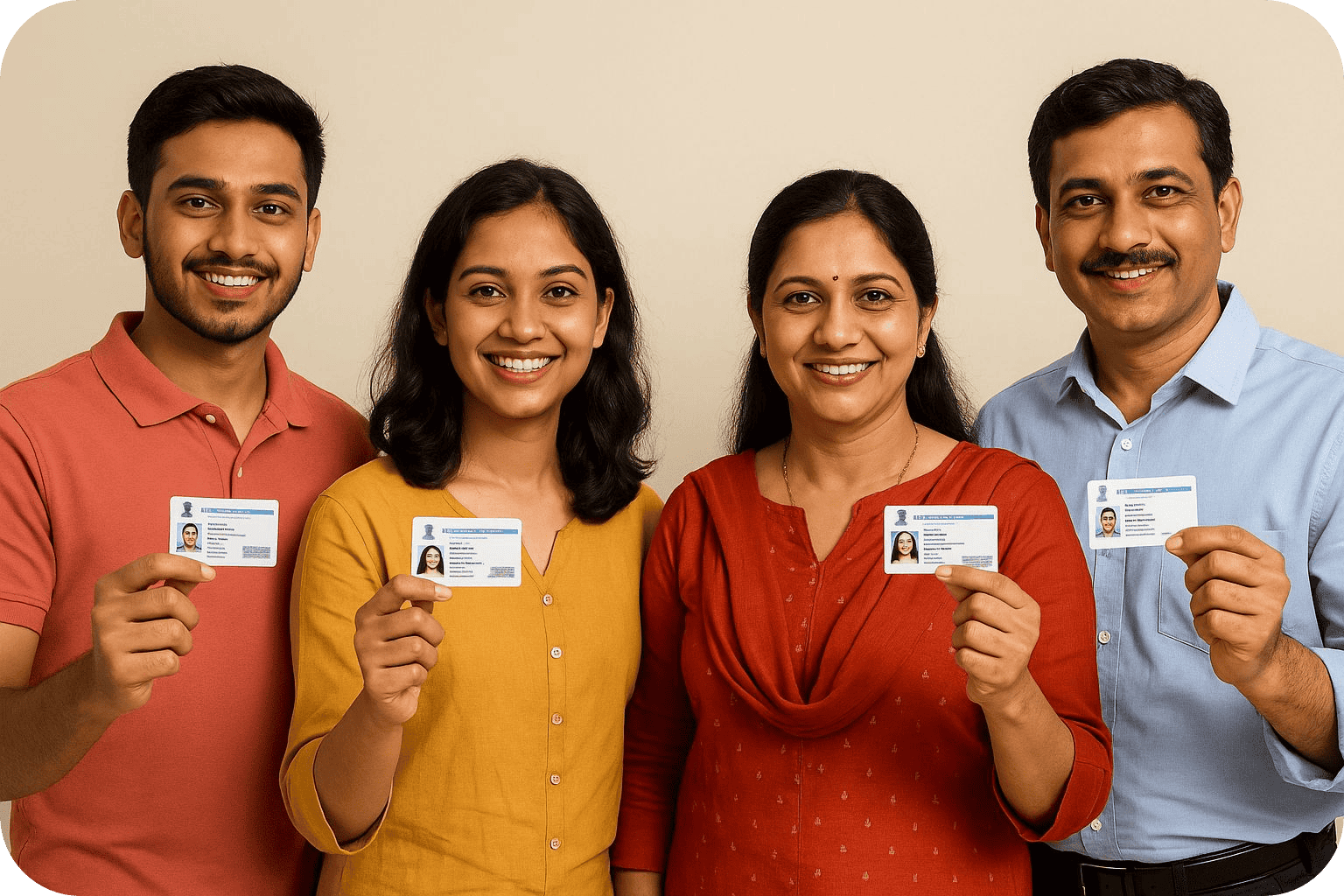
How Device-Based Age Verification Strengthens Security for Indian Platforms
Not every fraud attempt happens inside a document. Sometimes the red flag is hidden inside the device itself. That is why many companies use device-based age verification to detect suspicious behavior before any user reaches the final verification screen.
This system analyzes device history, repeated identity switching, login patterns, and other signals that reveal risky attempts. It stops situations where minors use the IDs of older siblings or attempt multiple logins on the same phone, a common pattern in many Indian households where devices are shared.
Combined with automated checks, device intelligence creates a multi-layered shield that keeps platforms safe from repeat offenders.
How AI Age Detection Helps Screen Users in Seconds
AI age detection has become a powerful screening tool. It gives platforms a quick estimate of a user’s age based on facial features. This does not require storing full images. Instead, the system evaluates the face momentarily and keeps only an age range.
Many companies rely on benchmark results shared in the NIST FRVT evaluations, which show how modern models estimate ages with impressive consistency. This is especially useful for platforms that offer age verification for adult content, including those operating in India where age-restricted content rules are strict.
AI age estimation is not a final verification step. It is an intelligent filter that helps determine whether a user is likely old enough before they undergo full verification.
Why an Adult Verification System Protects Businesses in India
A reliable adult verification system shields companies from violations, helps them avoid legal trouble, and ensures that minors never gain access to restricted environments. It strengthens safety while building trust with users who want a protected community.
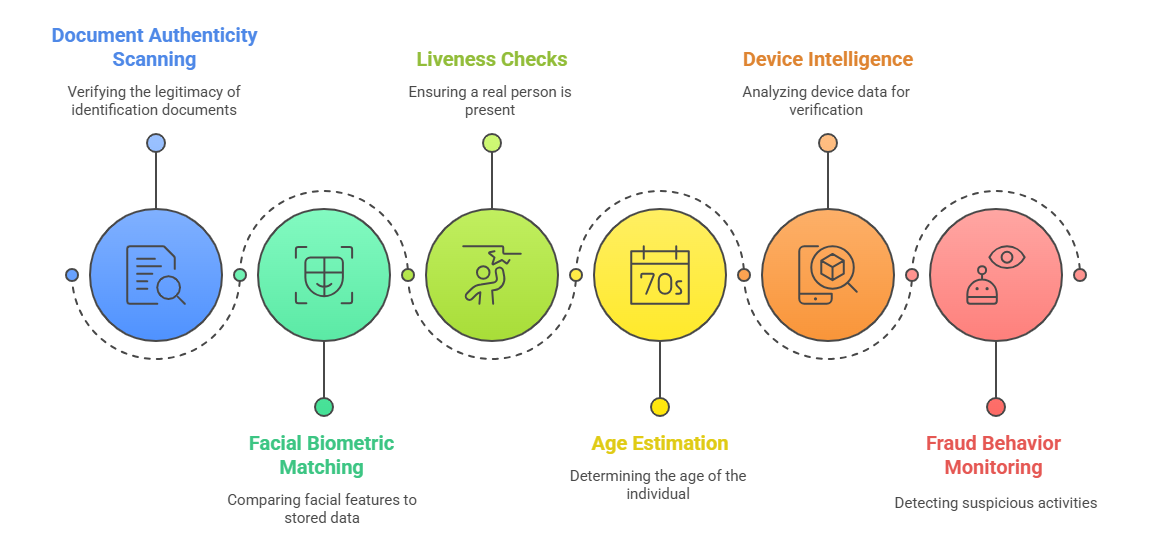
A complete adult verification workflow includes the following:
- Document authenticity scanning
- Facial biometric matching
- Liveness checks
- Age estimation
- Device intelligence
- Fraud behavior monitoring
Liveness detection plays a major role because it ensures that a real person is present. Many minors attempt to trick systems using printed images or digital masks. This is why companies often rely on tools powered by the ID Document Liveness Detection SDK, which tests for motion, depth, and natural facial movement.
Ensuring Privacy and Meeting Global Standards Relevant to India
Privacy is one of the biggest concerns surrounding digital verification. Companies must follow strict guidelines to keep data protected. Responsible systems use encrypted templates rather than raw images. They only store what is necessary and follow regulated retention policies.
Organizations that follow the compliance rules outlined in the GDPR regulatory framework can confidently use age verification tools without compromising user rights. This approach also aligns well with the expectations of Indian internet users, who are becoming increasingly privacy-aware.
How a Face Age Checker Enhances Accuracy and Flow
A face age checker offers an easy way to screen users before requesting full identity documents. If a user appears to be too young, the system redirects them to a thorough verification step. If they look old enough, onboarding remains quick and smooth.
This approach keeps user experience intact while maintaining strict age control. Developers often explore this process through the ID Document Verification Playground, where different checks can be tested in real time.
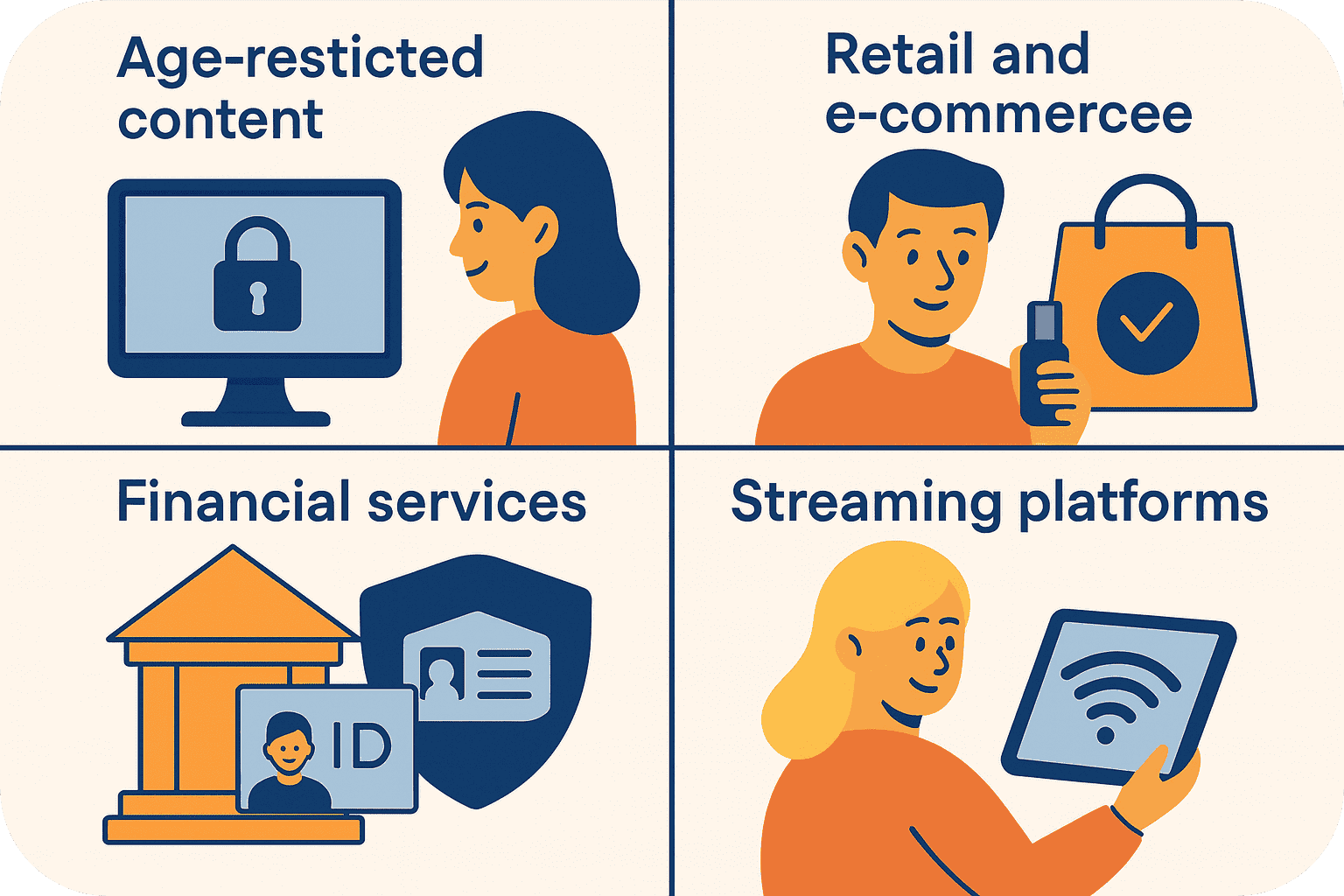
Real-World Use Cases Where Age Verification Matters Most in India
1. Age-restricted content
Platforms offering adult material use layered checks to block minors and avoid strict penalties.
2. Retail and e-commerce
Stores selling alcohol, tobacco, vapes, or other restricted products use age scanners to prevent misuse, an important requirement as online deliveries rise in India.
3. Financial services
Banks use identity verification to confirm eligibility and reduce fraud.
4. Streaming platforms
Video services with adult categories rely on automated screening to stay within regulations.
Each of these industries benefits from AI-powered identity tools that improve both safety and trust.
Comparing Different Types of Digital Age Verification Tools
Every platform has different needs. Some need fast screening. Others need top-level fraud resistance. Some must meet strict regulations. A quick look at the most common verification methods helps businesses decide which approach works best for their users.
Below is a simple comparison table that keeps things clear and easy to digest.
| Verification Method | What It Checks | Strengths | Best Use Case |
| Document Scanning | ID authenticity, security markers, text accuracy | Accurate detection of fake or altered IDs | Platforms that need strong identity proof before access |
| AI Age Estimation | Facial features that predict approximate age | Fast screening, low friction, works well for high-volume signups | Apps that want quick checks before full verification |
| Face Match and Biometric Analysis | Compares selfie with ID photo | Very hard to bypass, stops stolen or borrowed IDs | Services offering sensitive or restricted content |
| Device-Based Age Signals | Device history, login behavior, repeated identity switches | Stops repeat attempts and risky patterns | Platforms experiencing multiple fraud attempts from the same device |
| Liveness Detection | Confirms the user is a real person and not a photo or mask | Blocks deepfakes, printed images, and replay tricks | Businesses facing high levels of identity spoofing |
Challenges and Ethical Responsibilities in India’s Diverse Digital Environment
Even advanced systems must handle challenges. AI models need constant training to avoid bias. Lighting conditions, camera quality, and access environments vary widely, especially in a country as diverse as India. Fraud attempts also evolve, pushing developers to create better defenses.
Ethical responsibility plays a major part too. Users must know when and why their data is being collected. Clear communication builds confidence. Initiatives like the open research shared on the Recognito GitHub page help encourage transparency and innovation across the industry.
The Future of Age Verification and Safe Digital Access in India
As technology improves, age verification tools will only grow more advanced. Future systems may combine 3D sensors, behavioral analytics, improved document checks, and deeper fraud detection to stay ahead of misuse.
The goal is not to replace traditional verification. It is to enhance it. These innovations will build a digital ecosystem where safety is automatic and effortless.
Building Trust in the Era of Intelligent Verification
Trust is the foundation of every online platform. A smart and well-designed age verification system gives businesses the confidence that every user is genuine. With AI-driven tools, global compliance, and layered protection, companies can keep minors away from restricted spaces while creating a smooth and secure experience for real adults.
Recognito continues helping organizations build this trust by offering AI-powered verification tools that combine accuracy, privacy, and confidence at every step.
Frequently Asked Questions
1. How does an age verification system detect fake IDs?
AI checks ID security features, patterns, and micro-details to spot tampering quickly and accurately.
2. Why is AI age estimation important?
It offers a fast age check from facial features, helping filter minors before full verification.
3. Can age verification help with compliance?
Yes, it follows global data rules like GDPR to keep verification secure and legally compliant.
4. What makes liveness detection essential?
It confirms the user is real by detecting natural movements, blocking photos, masks, and deepfakes.
