
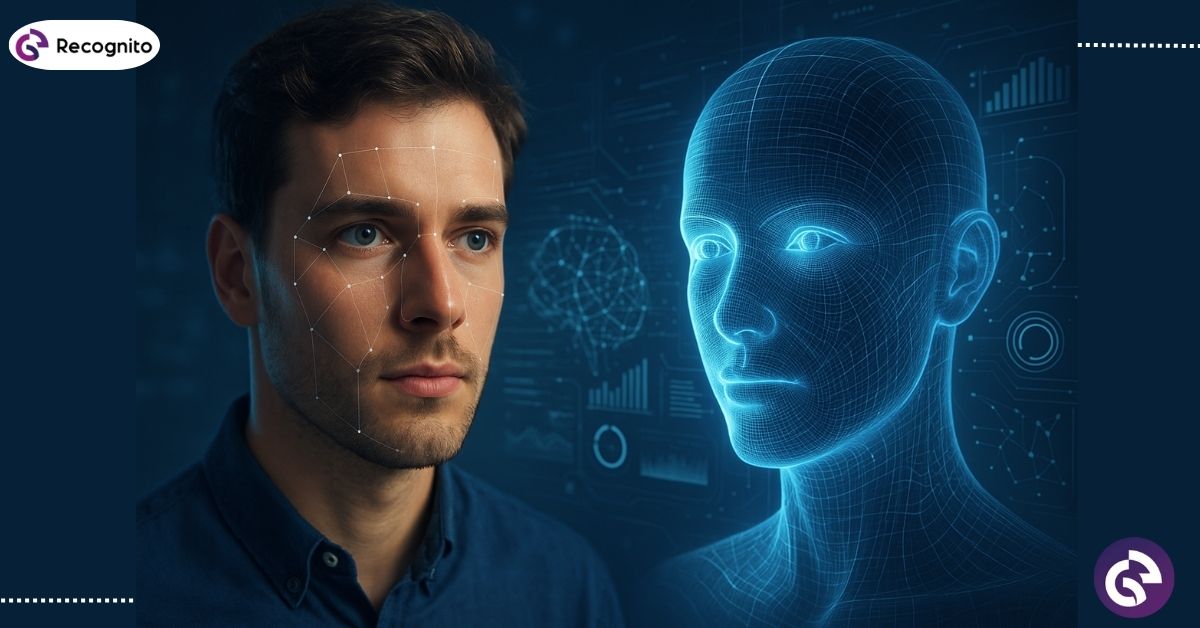
Imagine giving a camera a pair of glasses that help it see better, even when the world gets messy. That is what generative AI does for systems built around facial analysis. It fills gaps in blurry images, recreates missing features, and strengthens overall decision-making. This makes identification more reliable, whether someone is standing in harsh sunlight, wearing glasses, or captured at an awkward angle.
Many improvements seen today in facial biometrics come from research shared through programs like the NIST FRVT. If you want to explore how global benchmarks work, you can visit the official pages at the FRVT program site and the result listings for 1:1 verification. These tests keep the entire industry honest by tracking accuracy and fairness across algorithms.
What makes generative AI so helpful is its power to imagine variations. It can generate more training samples, enrich datasets, and strengthen models without adding stress to developers. When you think about how diverse human faces are, this feels less like magic and more like the missing ingredient biometric teams have always needed.
Smarter Face Detection and Why Generative AI Makes It Work
Face detection has always played the role of a gatekeeper. If a system fails to locate a face, the entire verification pipeline collapses. Generative AI helps by reconstructing lower-quality regions and recovering features that cameras sometimes miss. Imagine a blurry security frame where only half a face appears because of glare. A generative model can rebuild enough structure for a detector to lock on and proceed confidently.
This matters for public spaces, airports, crowded venues, and remote onboarding, where lighting and angles change constantly. Instead of depending on perfect conditions, detection models trained with generative enhancements adapt to environments that older systems struggled with. Developers often explore these techniques through community resources like the Recognito GitHub.
The result is a far more dependable first step in the verification journey, allowing the rest of the system to operate more smoothly.
Improving Face Matching and Face Verification With Synthetic Refinement
Face matching compares two images to see if they belong to the same individual, while face verification checks identity directly. Both require consistent representations. Generative AI removes visual noise and strengthens important facial patterns, which leads to more stable embeddings across different sessions.
In many deployments, the models powered by synthetic enhancement show a major boost in reliability. Dim lighting, motion blur, or awkward angles stop being deal breakers because the system now understands how to fill the gaps. This creates smoother onboarding experiences in finance, travel, and digital authentication.
Below is a quick comparison table showing the differences commonly observed after introducing generative preprocessing:
| Feature | Before Enhancement | After Enhancement |
| Accuracy | Moderate | Strong and consistent |
| Stability over time | Varies | More reliable |
| Lighting sensitivity | High | Reduced impact |
| Error rates | Noticeable | Significant improvement |
Businesses that want hands-on verification capabilities often integrate tools like the face recognition SDK.
Liveness Detection That Adapts to Real People Instead of Fake Attempts
Liveness detection checks if the subject is a real human rather than a printed photo, screen replay, or impersonation attempt. Generative AI improves this area by creating challenging synthetic samples that prepare the model for fraud patterns it may never encounter naturally.
Instead of depending solely on traditional datasets, modern systems learn from realistic AI-generated spoofs. This training helps the system identify natural micro-movements like subtle eye reactions, genuine blinking, and tiny muscle shifts that fake media struggles to mimic.
Liveness technology becomes especially important in sectors like fintech and remote hiring, where identity fraud attempts continue to rise. Developers exploring these features can test them with the face liveness detection SDK.
How Anti-Spoofing Evolves With Generative Training Data
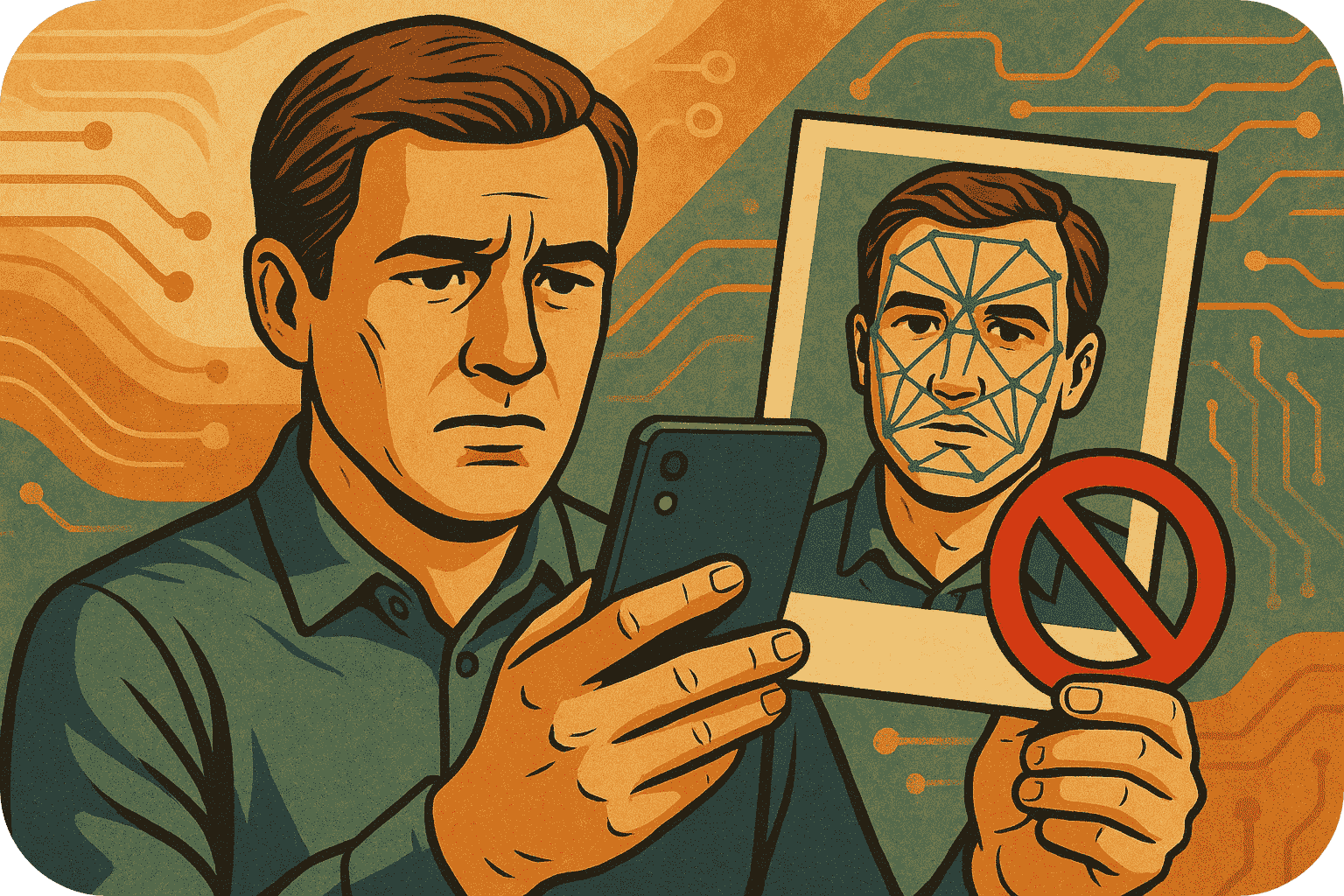
Anti-spoofing used to rely on manually created samples like printed photos or simple masks. Generative AI changes the game by producing large volumes of realistic attack variations. This is like training a security guard with every possible trick instead of a small handful of examples.
The stronger coverage helps the model detect even rare and advanced spoofing techniques. This includes synthetic faces, digital overlays, complex masks, and high-resolution replay attacks. Because the system learns from such variety, its defenses stay sharp even when fraudsters become inventive.
These improvements reduce false positives, increase trust in identity flows, and provide smoother onboarding experiences without making users jump through extra hoops.
Why Standards and Regulations Matter More Than Ever
As biometric systems grow more capable, responsible development becomes essential. Ethical systems avoid storing full facial images. Instead, they rely on encrypted templates that cannot be reversed into the original face.
Compliance frameworks such as GDPR help guide developers toward transparent and user-friendly practices. Anyone interested in understanding these protections can read the full regulation text at GDPR Info. Programs like FRVT also hold algorithms accountable by measuring accuracy, fairness, and robustness across diverse populations.
These standards make sure improvements powered by generative AI still respect privacy and maintain public trust.
Exploring AI-Driven Face Technology Through Interactive Tools
Biometric concepts become easier to understand when users can test them directly. Interactive platforms like the face biometric playground let developers, students, and businesses experiment with detection, matching, verification, and spoof testing in real-time.
Trying out these tools often reveals how lighting affects detection, how confidence scores change during matching, and how liveness reacts to tiny human movements. This practical approach helps teams visualize system performance before full deployment, reducing surprises later.
It also helps decision makers evaluate multiple vendors, compare models, and understand how generative enhancements influence behavior across edge cases.
A Real Case Study Highlighting Generative Benefits
A digital onboarding company faced a surge in failed verifications from users with older smartphones. Many selfies arrived grainy or dim, causing the previous system to miss faces entirely. This led to long review queues and frustrated applicants.
After adding generative reconstruction during preprocessing, the system started identifying faces more accurately in challenging conditions. Liveness detection also became more resilient, catching attempts that previously slipped through.
Within weeks, the company reported major improvements.
- False rejection rates dropped sharply
- Onboarding became faster with fewer manual checks
- Face matching produced more stable results
- Customer satisfaction grew as verification became smoother
This small shift in technology created a noticeable ripple effect across the entire workflow.

Looking Ahead at Next Generation Biometric Systems
Generative AI is shaping the future by helping systems adapt to the endless variety found in human faces. Upcoming trends are moving toward more natural interactions, using depth, emotion analysis, and richer synthetic modeling.
Instead of rigid rule-based systems, next-generation biometric tools will focus on flexibility. They will learn how people move, blink, talk, and react in different environments. This supports secure identity flows in remote banking, travel checkpoints, online exams, and beyond.
One thing is clear. As generative technology continues to evolve, biometric systems will become more helpful, more inclusive, and more dependable for everyday users.
Final Thoughts on the Growing Role of Generative AI
Generative AI improves everything from detection to anti-spoofing, helping identity systems perform well under real-world conditions. By building richer datasets, reducing noise, and strengthening verification patterns it brings security and convenience together without adding friction for users.
With global benchmarks like FRVT and practical tools offered through platforms such as Recognito, organizations can build systems that are both safe and user-friendly. In a world where digital identities matter more each day, innovations like these guide us toward a secure and trusted future powered by Recognito.
Frequently Asked Questions
1. What is generative AI in facial analysis?
Generative AI enhances facial analysis by improving image quality, reconstructing missing features, and creating synthetic data that strengthens accuracy and security in biometric systems.
2. How does generative AI improve face detection?
It rebuilds low-quality or partially visible facial regions, helping detection models locate faces more reliably in poor lighting, odd angles, or blurry conditions.
3. Why is generative AI important for liveness detection?
Generative models create realistic spoof samples that teach systems how to detect fake attempts, making liveness checks stronger against photos, videos, and deepfakes.
4. How does generative AI help reduce spoofing attacks?
It trains anti-spoofing models with a wide range of AI-generated attack variations, improving their ability to identify masks, digital overlays, and synthetic faces.
5. Is generative AI safe to use in biometric systems?
Yes. Modern systems use encrypted templates, comply with standards like GDPR, and avoid storing raw facial images, keeping biometric data private and secure.
