
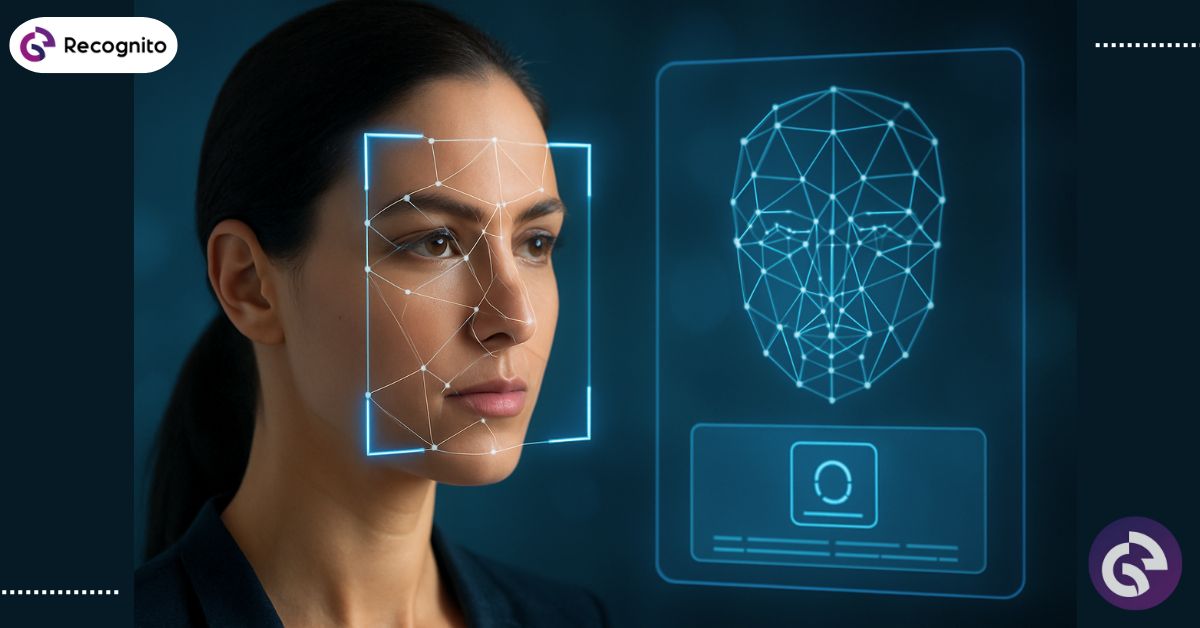
Facial recognition technology has become increasingly common in our daily lives. From unlocking phones to airport security, it is changing the way we identify and verify people. This technology uses advanced software to analyze facial features and match them with existing databases, making many tasks faster and more secure.
While facial recognition offers convenience and improved safety, it also comes with challenges. Privacy concerns, accuracy issues, and ethical questions are important factors to consider before adopting this technology. Understanding the advantages and disadvantages of facial recognition can help businesses and individuals make informed choices.
What Is Facial Recognition Technology?
Facial recognition technology is a type of software that identifies or verifies a person by analyzing their facial features. Cameras with facial recognition capture images or video of faces. The software then compares these images to a database to identify a match.
It is widely used in security, banking, law enforcement, and even marketing. While it offers convenience, it also raises concerns about privacy and accuracy.
Advantages of Facial Recognition Technology
Facial recognition technology offers several important benefits. Here are some of the key advantages:
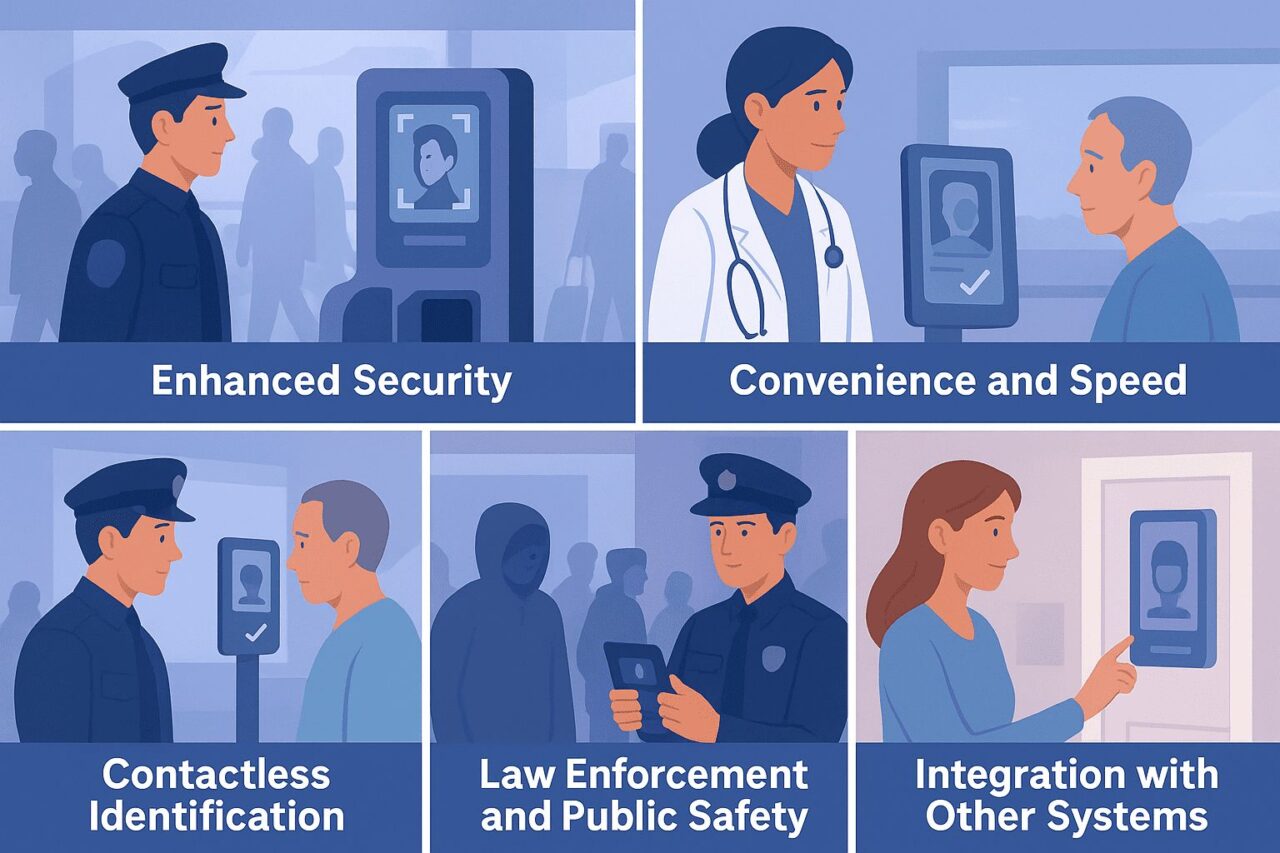
1. Enhanced Security
One of the main advantages of facial recognition is improved security. It can identify individuals in crowded places, detect unauthorized access, and prevent fraud. For businesses, this technology can help protect sensitive areas.
- Banks use facial recognition to verify clients for online transactions.
- Airports and government buildings use it to control access and ensure safety.
By providing a layer of security beyond passwords or ID cards, facial recognition technology reduces the risk of theft and unauthorized entry.
2. Convenience and Speed
Facial recognition can make daily tasks faster and easier. Unlike traditional authentication methods, it does not require remembering passwords or carrying cards.
- Phones and laptops can be unlocked instantly.
- Airports can speed up boarding with automated facial scans.
- Offices can track attendance without manual checks.
This convenience saves time for both individuals and organizations.
3. Contactless Identification
In the era of health concerns and pandemics, contactless systems have become essential. Facial recognition is a non-intrusive, touch-free technology. It reduces the need for physical contact, which is safer in public spaces and healthcare environments.
This feature makes it ideal for hospitals, banks, airports, and retail stores.
4. Law Enforcement and Public Safety
Facial recognition technology can assist law enforcement agencies in tracking and identifying suspects. It is useful for finding missing persons, preventing crimes, and investigating incidents.
Cameras with facial recognition can scan crowds in real time, alerting authorities to potential threats.
5. Integration with Other Systems
Facial recognition can work with other technologies, such as security cameras, mobile apps, and access control systems. This integration allows for smarter solutions. For example, smart home systems can use facial recognition to unlock doors for family members but restrict access to strangers.
Platforms like Recognito make it easy to integrate facial recognition into existing systems efficiently.
Disadvantages of Facial Recognition Technology
Despite its advantages, facial recognition technology has limitations and potential risks. Here are some of the main disadvantages:
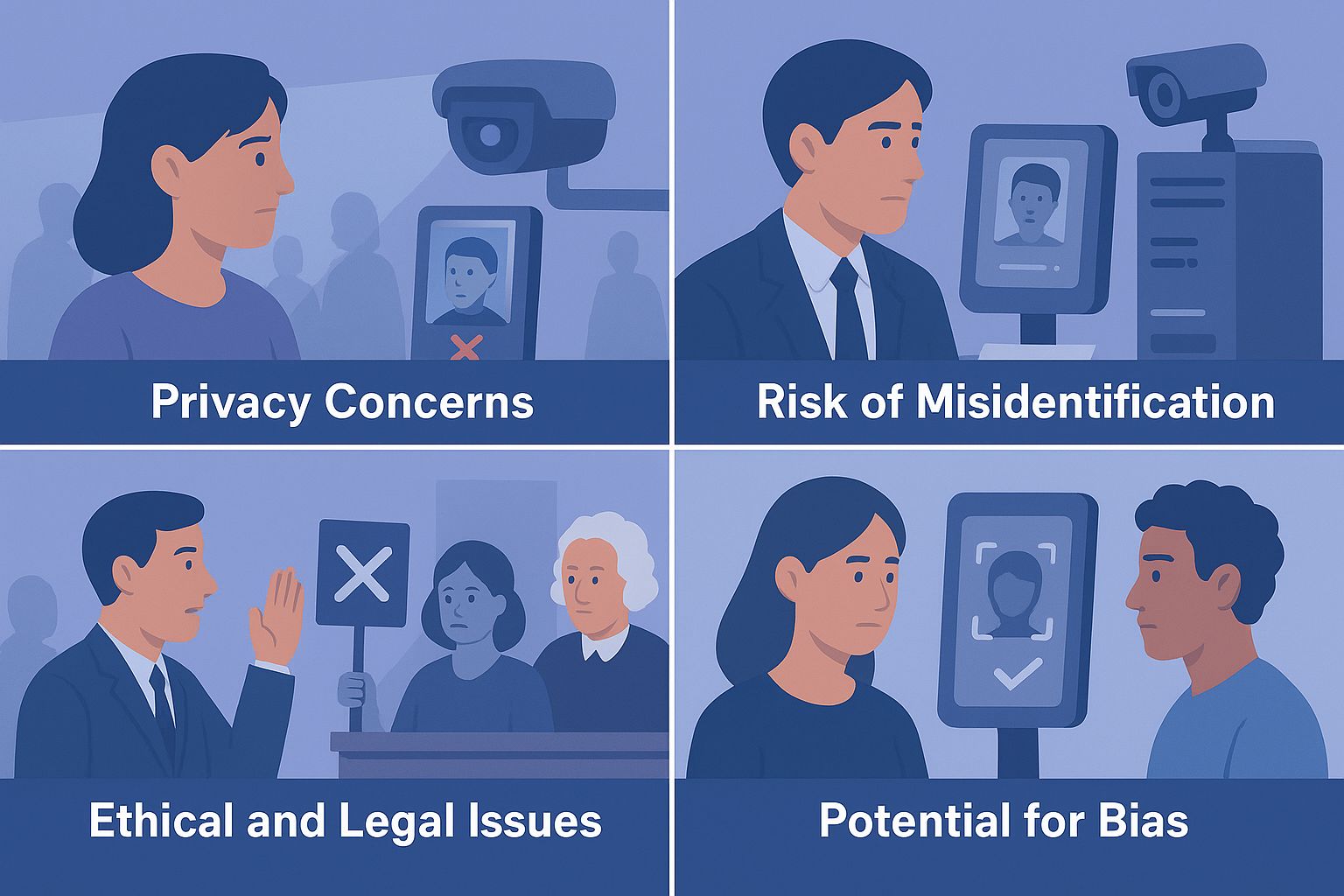
1. Privacy Concerns
One of the biggest disadvantages of facial recognition is the potential invasion of privacy. Constant surveillance can make people feel watched and uncomfortable.
Data collected through facial recognition can be misused if not properly secured. Some governments and companies have faced criticism for using this technology without consent.
2. Risk of Misidentification
Facial recognition is not 100% accurate. Lighting, camera quality, facial expressions, and changes in appearance can affect results. Misidentification can lead to wrongful accusations or denied access.
This is a serious concern, especially in law enforcement and security applications.
3. High Costs
Facial recognition requires good cameras, software, and secure storage, which can be expensive. Maintenance and upgrades also add to the cost. Tools like Recognito offer cost-effective solutions, making it easier for businesses to adopt without overspending.
4. Ethical and Legal Issues
Facial recognition raises ethical questions. How and where should the technology be used? What limits should be set? Different countries have different laws regarding the use of facial recognition, making compliance challenging.
Improper use could lead to legal penalties or public backlash.
5. Potential for Bias
Some facial recognition systems have shown bias against certain ethnic groups or genders. This can result in unfair treatment, especially in hiring processes, law enforcement, or financial services.
Developers are working to reduce bias, but it remains a concern.
Balancing the Pros and Cons
When considering this technology, it is essential to carefully weigh the advantages and disadvantages of facial recognition. For example, businesses may benefit from enhanced security and convenience. However, they must also address privacy, accuracy, and ethical concerns.
Public awareness, transparency, and regulations play a key role in ensuring facial recognition is used responsibly.
The Future of Facial Recognition
Facial recognition technology continues to evolve. Advances in artificial intelligence and machine learning are improving accuracy and reducing bias. We are likely to see more industries adopt this technology for secure, efficient, and contactless operations.
However, its future will also depend on legal frameworks and public acceptance. Companies must use it responsibly and prioritize the protection of user data.
Conclusion
The advantages and disadvantages of facial recognition highlight both its strengths and limitations. Facial recognition technology offers many advantages, including better security, convenience, and integration with modern systems. At the same time, it comes with risks such as privacy concerns, misidentification, and ethical challenges.
For businesses or developers looking for facial recognition solutions, platforms like Recognito provide advanced facial recognition SDKs. These tools allow companies to integrate secure and accurate facial recognition into their applications while focusing on privacy and compliance.
By understanding the pros and cons of facial recognition, individuals and organizations can make smarter decisions about adopting this technology in a safe and responsible way.
Frequently Asked Questions
1. Can facial recognition technology invade personal privacy?
Yes, facial recognition can raise privacy concerns since it involves surveillance and data collection. If misused, it may track people without consent. Strong regulations and secure data storage are vital to protect privacy.
2. Is facial recognition technology 100% accurate?
No, it isn’t fully accurate. Lighting, camera quality, or changes in appearance can cause errors. AI has improved accuracy, but misidentifications still occur, especially in law enforcement.
3. Can facial recognition be integrated with smart home devices?
Yes, facial recognition integrates well with smart homes. It can unlock doors for family members, restrict strangers, and personalize settings.
4. Can facial recognition technology be fooled by photos or masks?
Sometimes. Older systems may be tricked by photos or masks. Modern solutions use liveness detection and 3D imaging, making it much harder to bypass.
5. How Much Does It Cost to Implement a Facial Recognition System?
Costs vary by scale. Small setups may cost a few thousand dollars, while large projects can reach hundreds of thousands. Hardware, software, and maintenance all influence the total price.
