
Face Recognition for Workforce Identity Verification
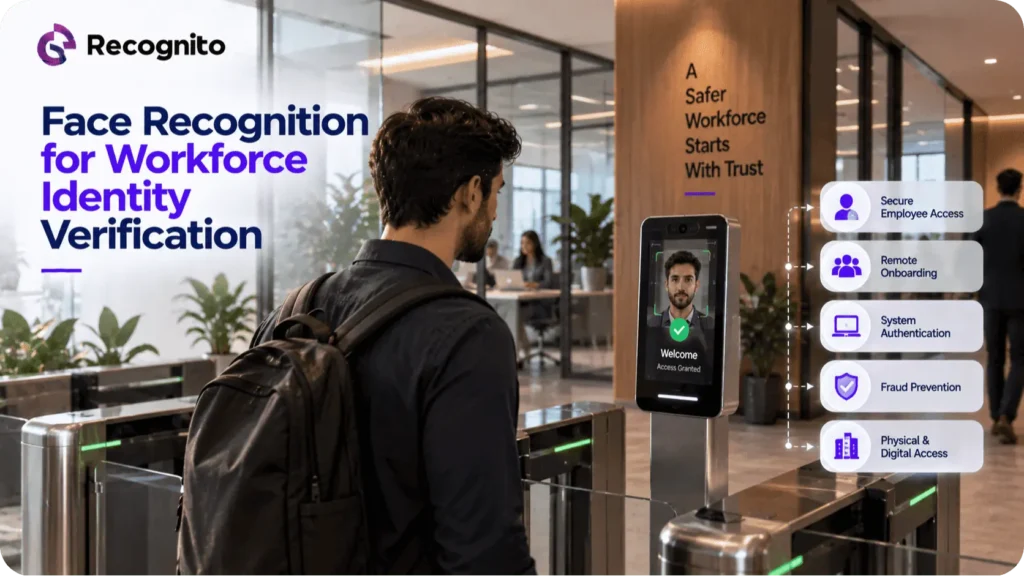
Workforce identity verification is becoming increasingly important as organizations move employee onboarding, authentication, access management, and workforce operations into digital environments. An enterprise may need to verify a new employee remotely, confirm that a person accessing a sensitive system is the correct individual, or strengthen authentication for high-risk resources. Traditional credentials such as passwords, PINs, […]
Face Recognition and Liveness Detection in High Risk Industries
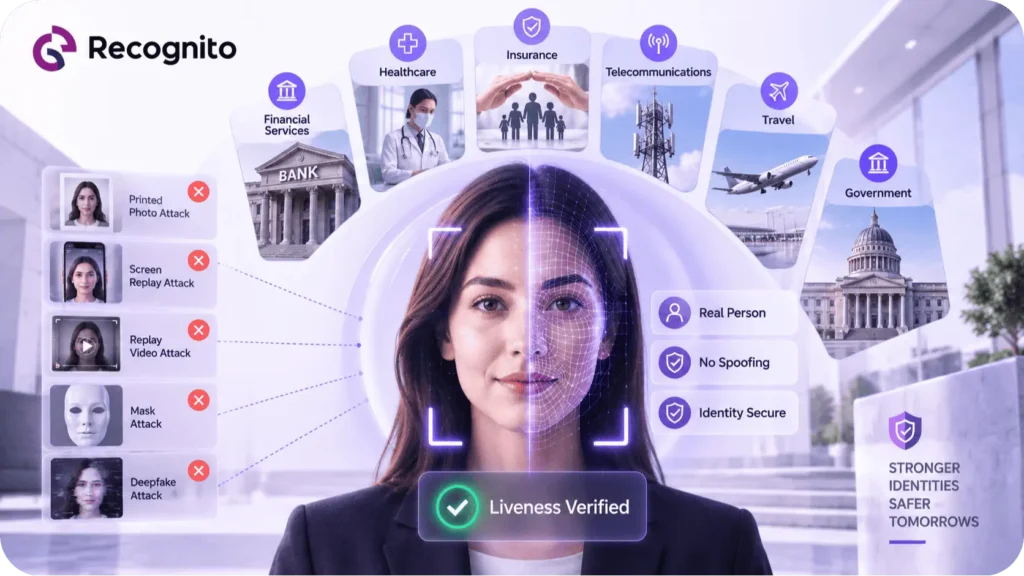
Organizations operating in high-risk and regulated industries cannot treat identity verification as a simple login or onboarding feature. Banks, fintech companies, insurance providers, healthcare organizations, telecommunications businesses, government services, travel platforms, and other regulated organizations often need to establish that a person is who they claim to be while also protecting the process from impersonation […]
Face Recognition Deployment Challenges and How Organizations Overcome Them
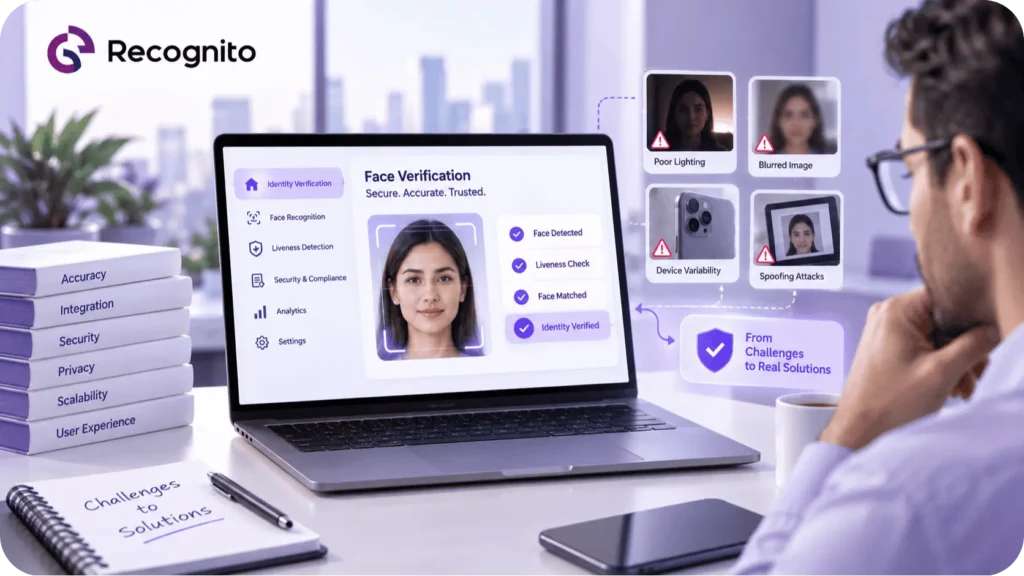
Implementing face recognition software in a production environment is very different from demonstrating it in a proof of concept. A development team may successfully compare two faces in a controlled test, yet encounter unexpected problems when the same technology is deployed across thousands of users, devices, cameras, operating systems, and real-world environments. These problems can […]
Face Recognition vs ID Document Verification for Customer Onboarding
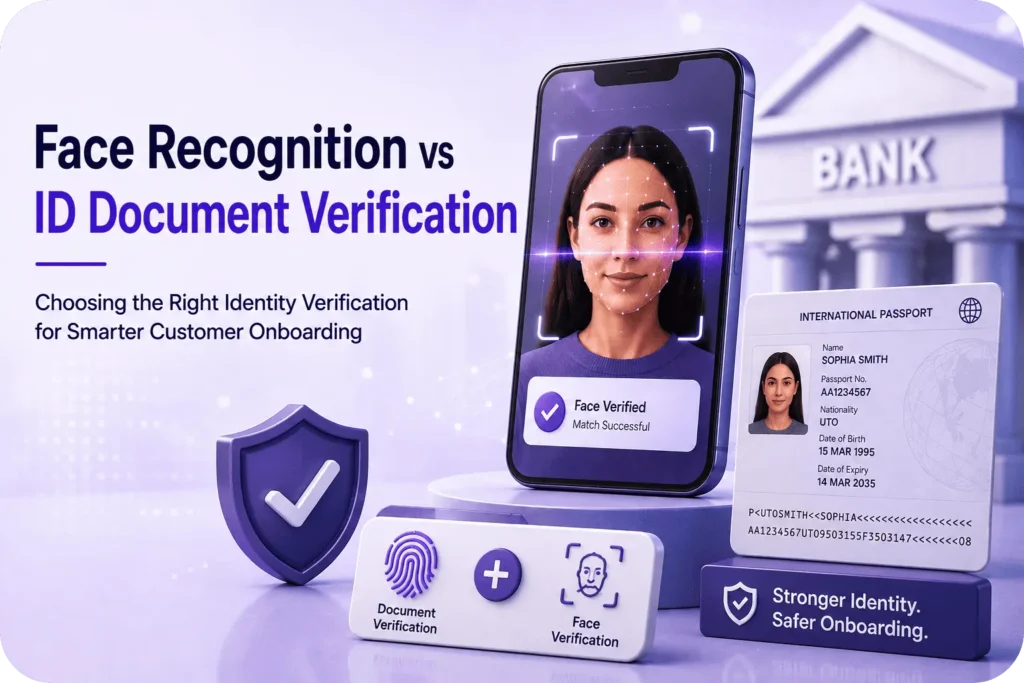
Digital customer onboarding often depends on two important identity verification methods: face recognition and ID document verification. They are sometimes treated as competing technologies, but they actually solve different problems. ID document verification helps determine whether the identity document submitted by an applicant appears authentic and whether the information extracted from it is consistent. Face […]
Face Recognition SDK Evaluation Criteria for Enterprise Buyers
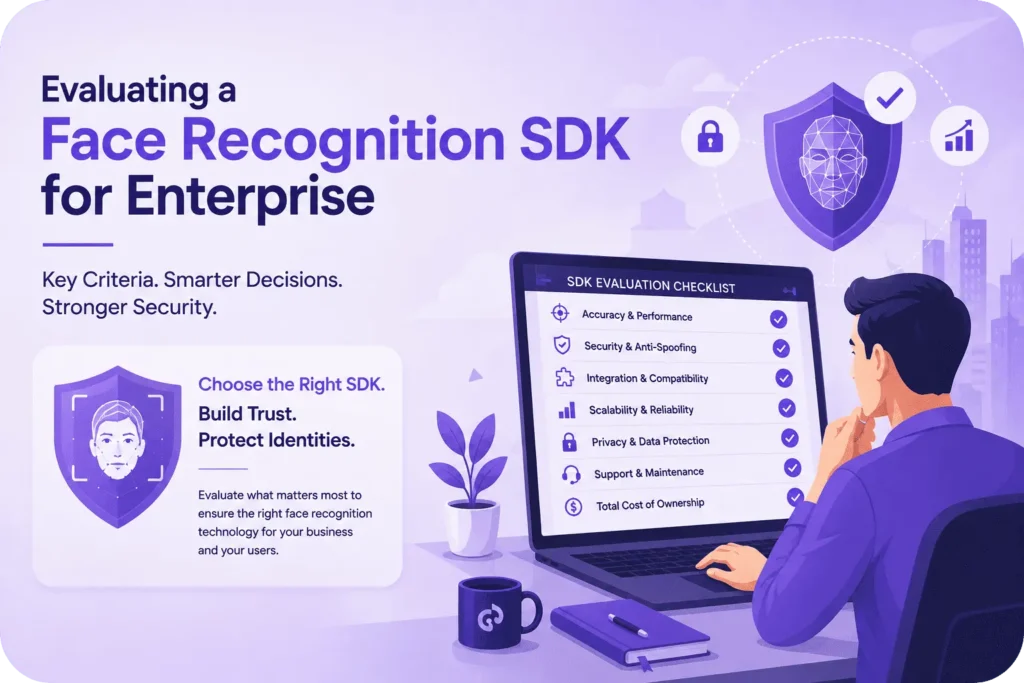
Choosing a face recognition SDK for enterprise use is not simply about finding the provider with the highest advertised accuracy. A biometric system can become part of a bank’s onboarding process, a fintech application’s identity verification workflow, an enterprise authentication platform, or a wider digital identity infrastructure. Once integrated into production, replacing the underlying SDK […]
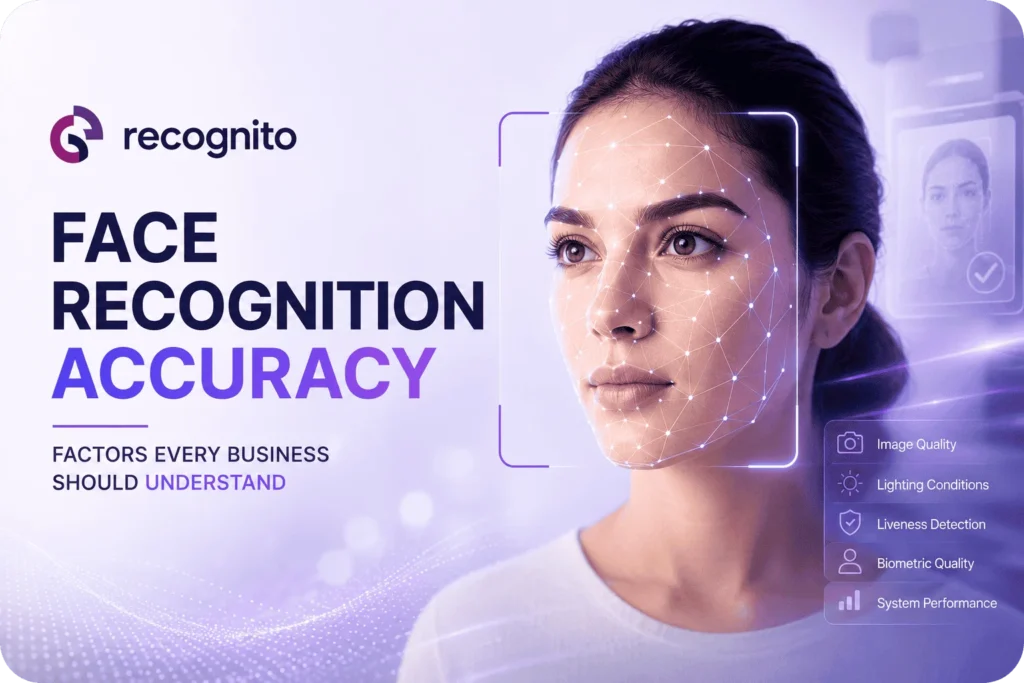
Face Recognition Accuracy Factors Every Business Should Understand
Learn how automated ID document recognition improves onboarding, reduces fraud, and ensures compliance for modern businesses.
The Role of Face Recognition in Preventing Online Account Fraud
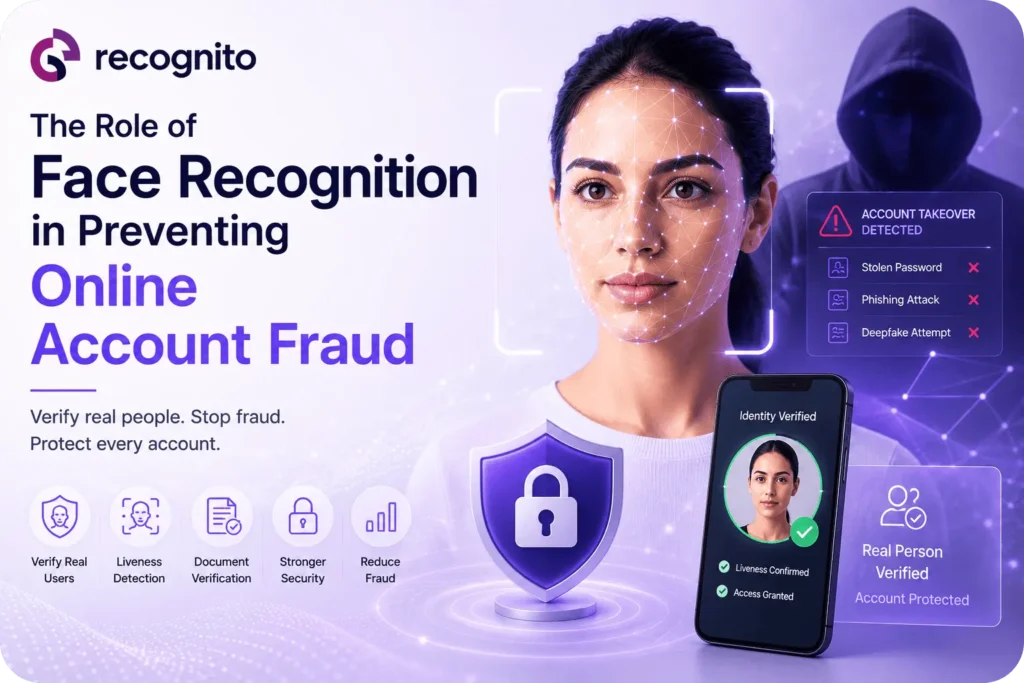
Online account fraud is no longer just a password problem. Attackers can combine stolen credentials, phishing, social engineering, compromised devices, identity documents, and synthetic media to impersonate legitimate customers. Once they gain control of an account, they may change credentials, access sensitive information, transfer funds, or use the account for further fraud. The FBI has […]
What Are NIST Face Recognition Benchmarks and What They Mean for Businesses
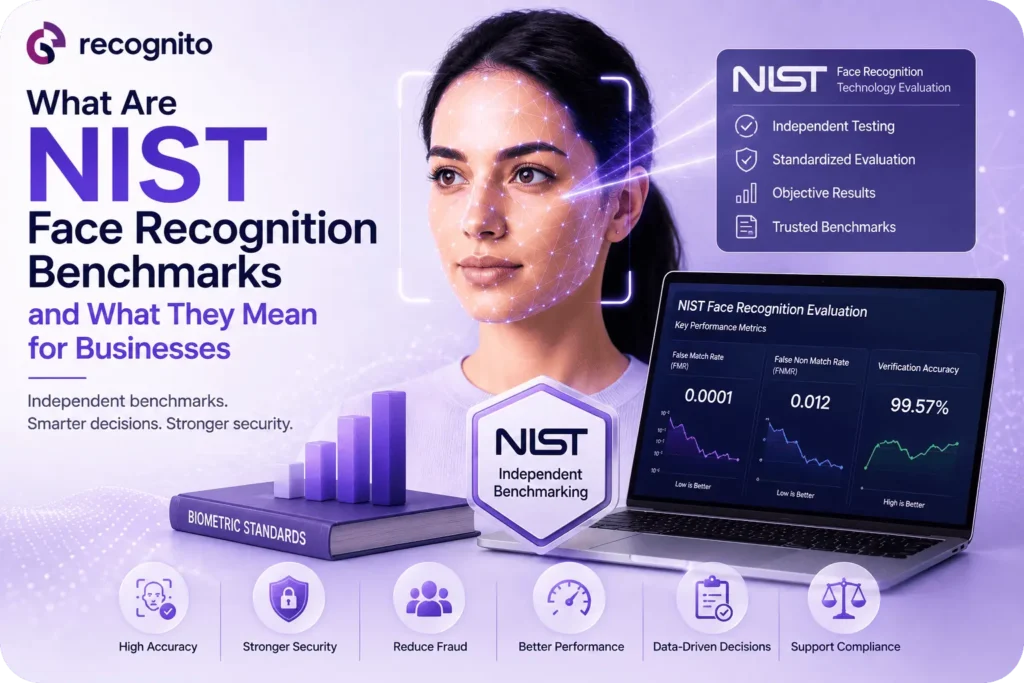
A face recognition vendor can claim extremely high accuracy and still leave a business with important questions: what was tested, at what error rate, on which images, and across which groups and conditions? The National Institute of Standards and Technology (NIST) runs independent evaluations that give organizations a structured way to compare face recognition algorithms […]
Facial Recognition Vs Fingerprint Recognition: Which Is Better?
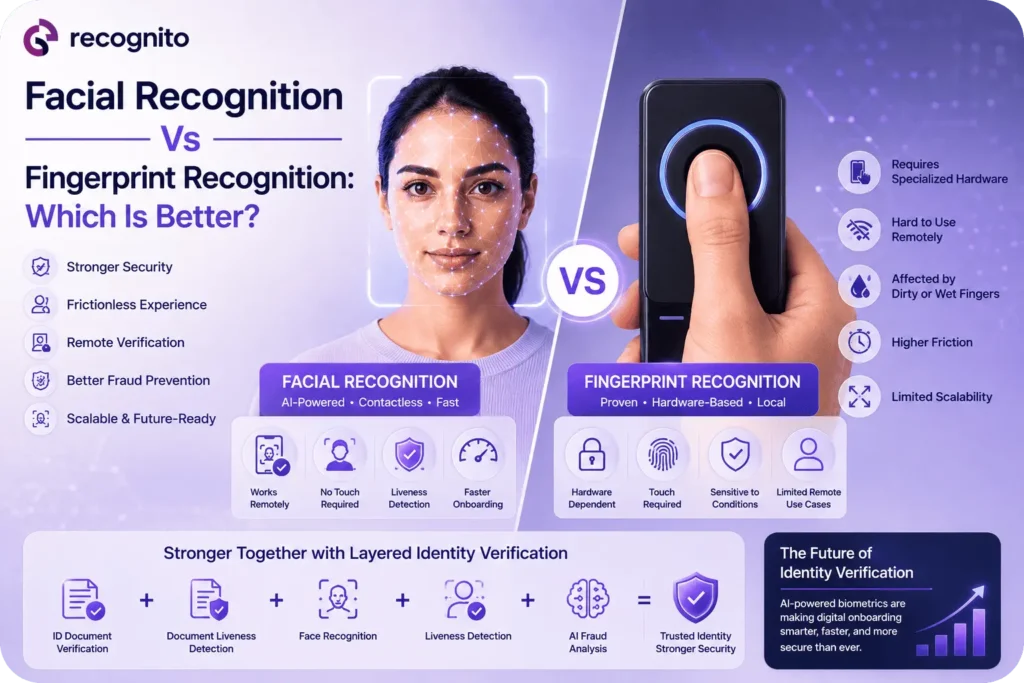
Choosing between facial recognition and fingerprint recognition is not simply a question of which biometric is “more accurate.” Both can provide strong identity signals, but they behave differently when exposed to cameras, sensors, lighting, damaged fingers, changing environments, user friction, and attack scenarios. For a bank, fintech, employer, or access-control operator, the better choice depends […]
What Is Pay By Face Technology And How Does It Work
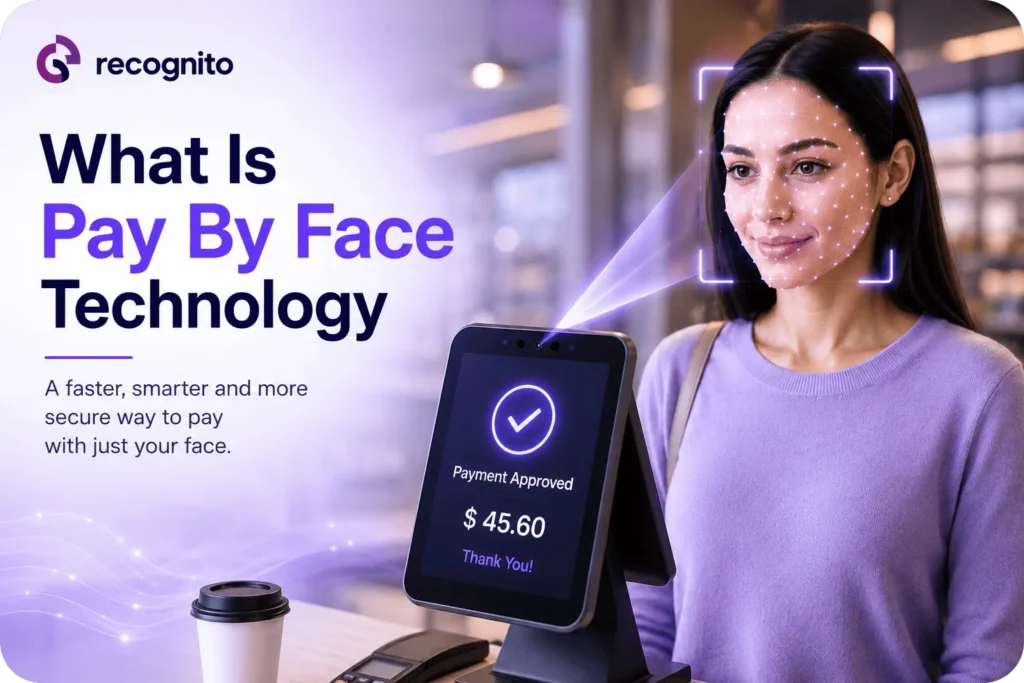
Pay by face technology turns facial recognition into a way to authenticate payments. Instead of handing over a card, entering a PIN, or opening a wallet app, a customer can use their face as part of checkout. A reliable system has to connect a person’s biometric identity with a payment credential, confirm the person is […]