
How Banks Use IDVT to Improve Customer Onboarding
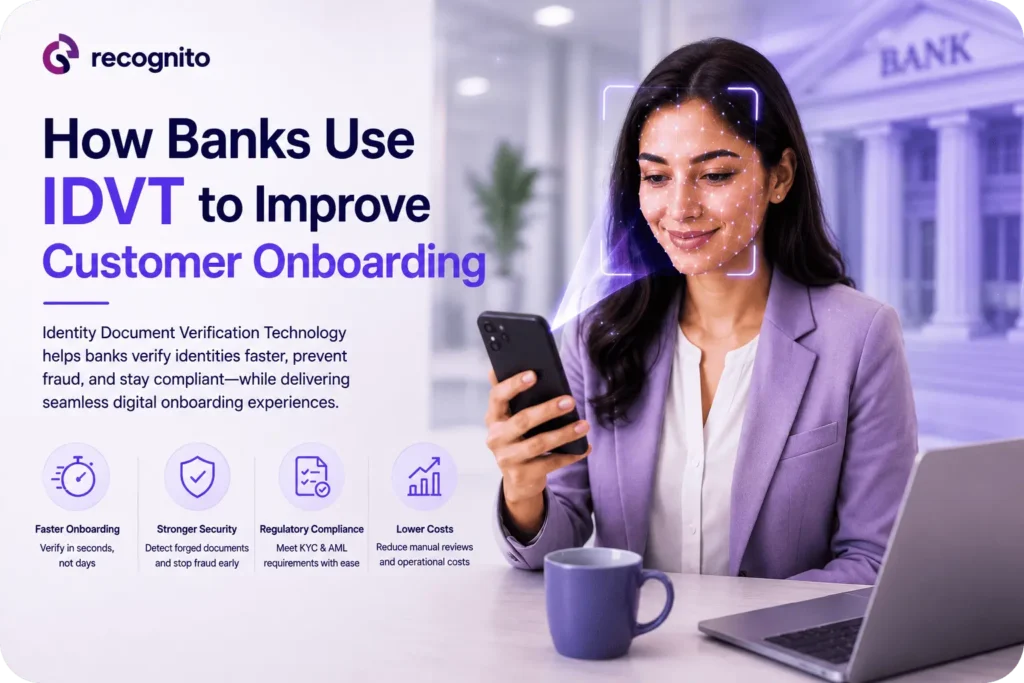
Opening a bank account remotely should be simple for a legitimate customer. Yet behind a short digital application sits a complicated identity problem: the bank must determine whether the applicant is using a genuine identity document, whether the document belongs to them, and whether the evidence is reliable enough to support a regulated customer relationship. […]
How ID Verification Solves Identity Fraud in University Admissions
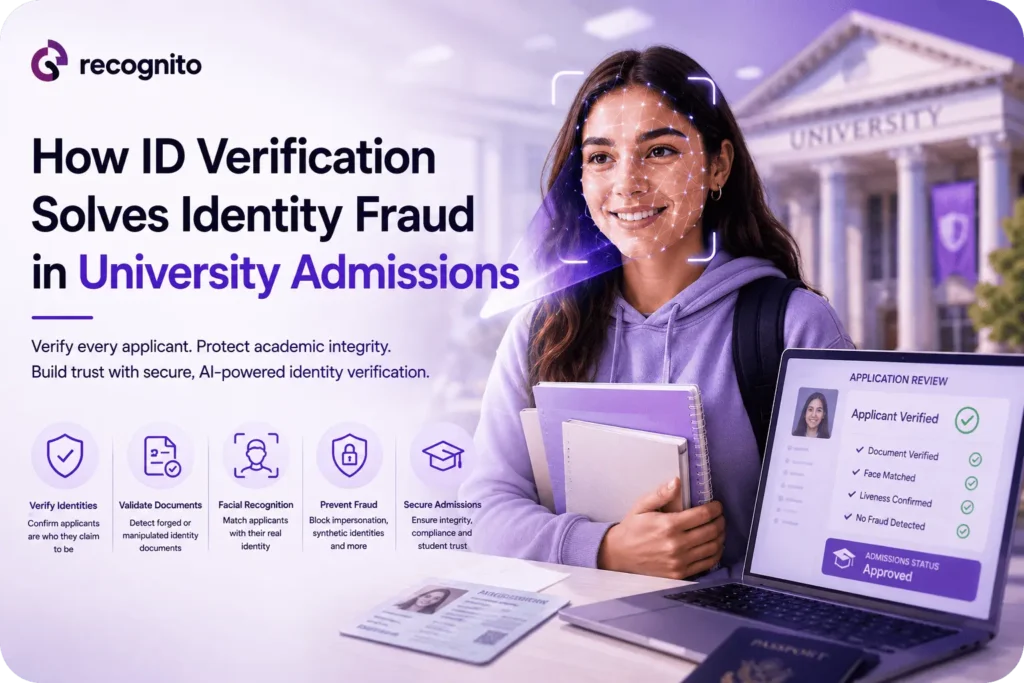
University admissions are built around a basic assumption: the person applying is the person represented by the submitted academic records and identity documents. When that assumption fails, the consequences can extend far beyond one fraudulent application. An impostor may gain admission using another student’s identity, submit altered credentials, create multiple identities across institutions, or obtain […]
Why Facial Scans Are Replacing Boarding Passes at Airports
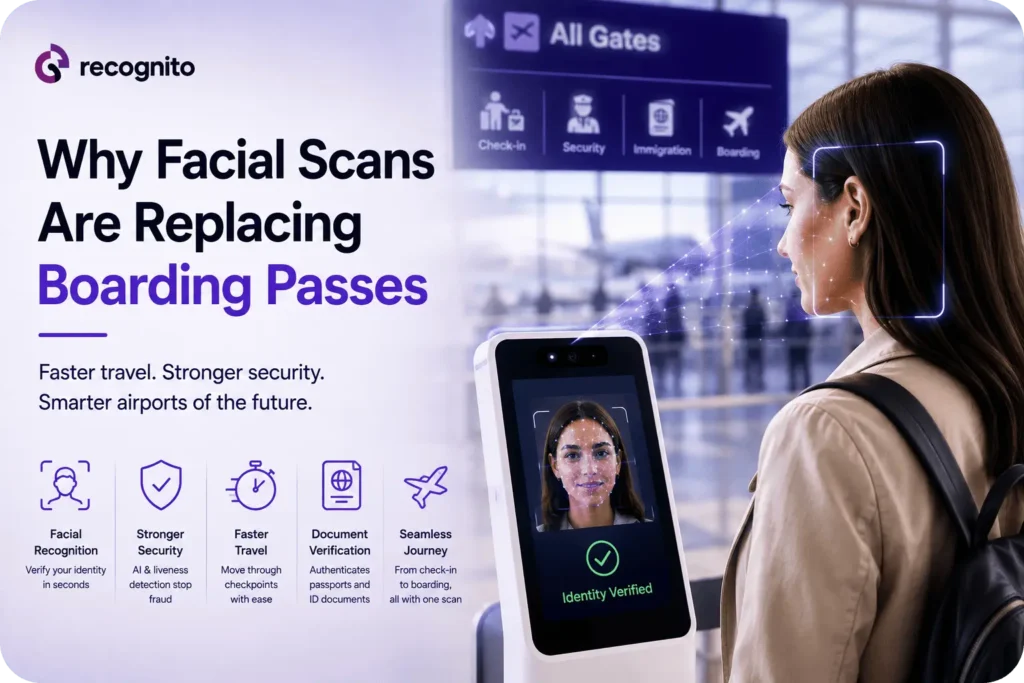
For decades, boarding a flight has meant presenting a boarding pass, showing identification, and repeating those steps at different airport checkpoints. That process is familiar, but it also creates queues, manual work, and repeated identity checks. Airports are increasingly moving toward a different model: use the passenger’s face as the identity interface. Instead of repeatedly […]
How a Biometric Face Scanner Helps Businesses Verify Users with Confidence
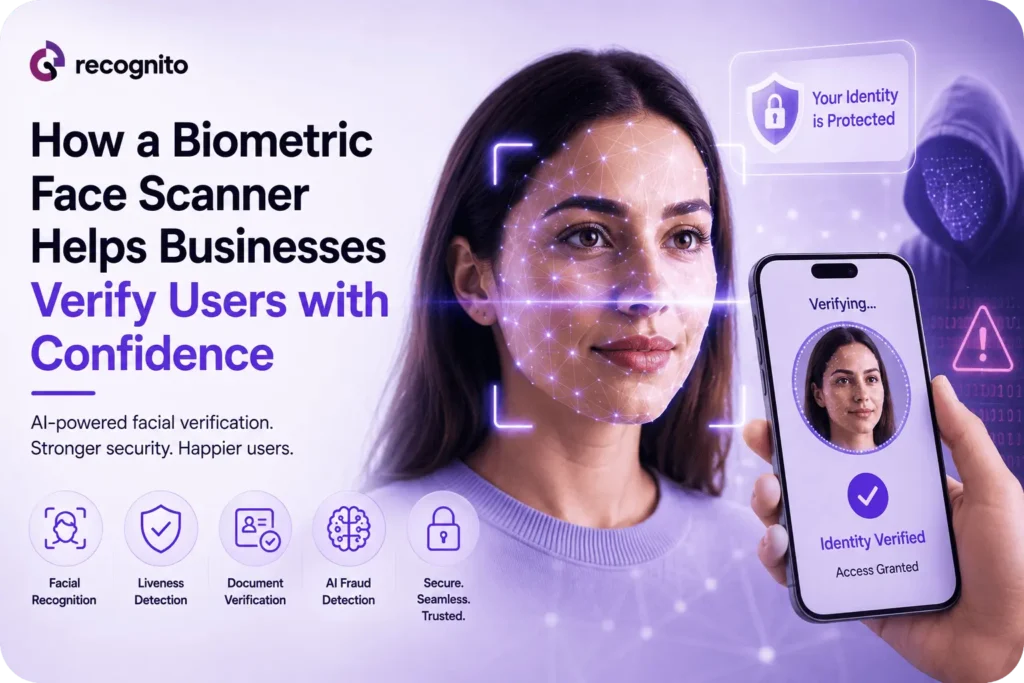
A customer can enter the correct name, upload a genuine identity document, and still not be the person behind the application. That is the central problem biometric face scanning helps address. Instead of relying only on information a user provides, a biometric face scanner analyzes physical facial characteristics and turns them into evidence that can […]
Why Businesses Are Investing in Deepfake Detection Tools to Stop AI-Generated Fraud
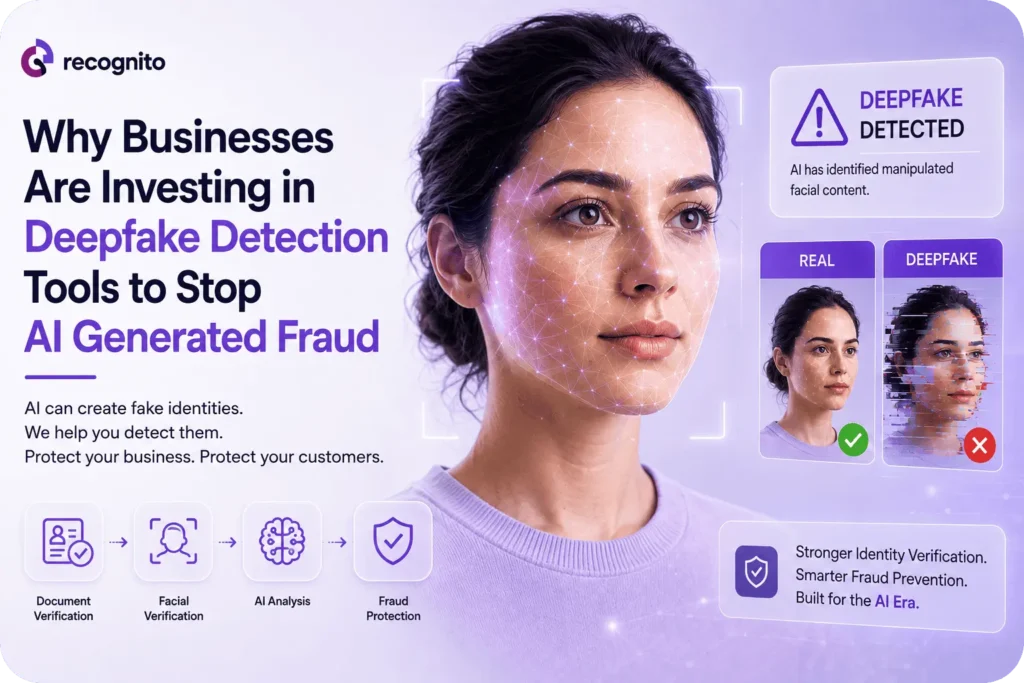
Deepfake fraud has changed the economics of impersonation. Creating a convincing fake video, voice recording, or image once required specialist skills and significant effort. Generative AI has lowered those barriers, allowing attackers to produce realistic synthetic media faster and at greater scale. The FBI has warned that criminals are using generative AI to make fraudulent […]
The Complete Guide to KYC Verification Online and How It Protects Your Identity
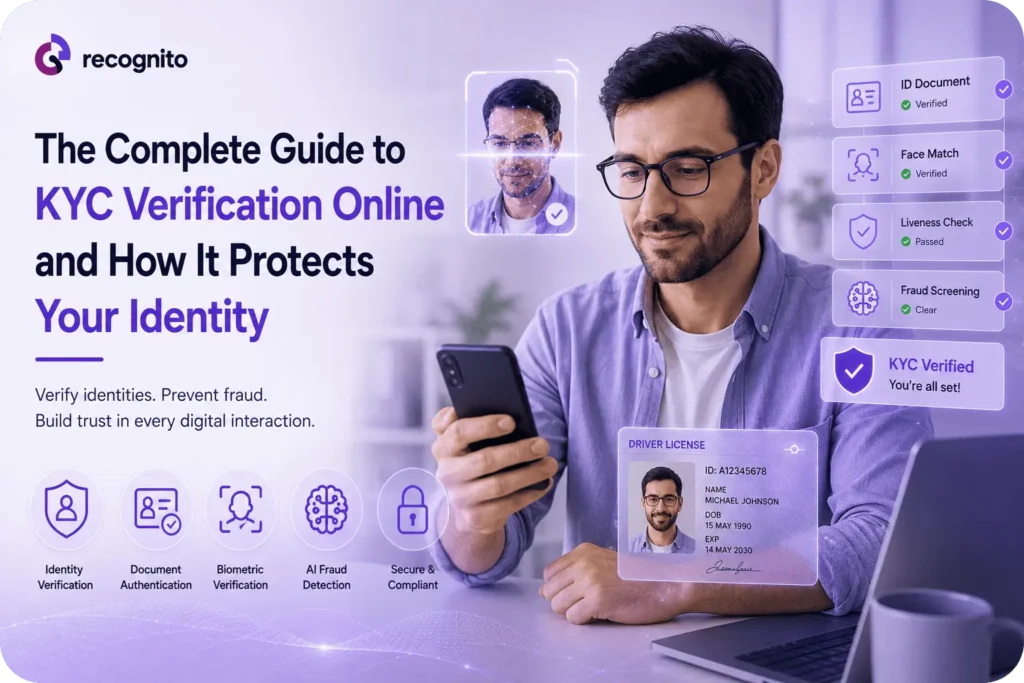
Opening a bank account, applying for credit, or joining a fintech platform can now happen entirely online. That convenience creates a difficult security challenge: the business must establish that the applicant is real, that the identity belongs to them, and that the submitted evidence is trustworthy. KYC verification online brings those requirements into a digital […]
How Passport Recognition Enhances KYC and Fraud Prevention
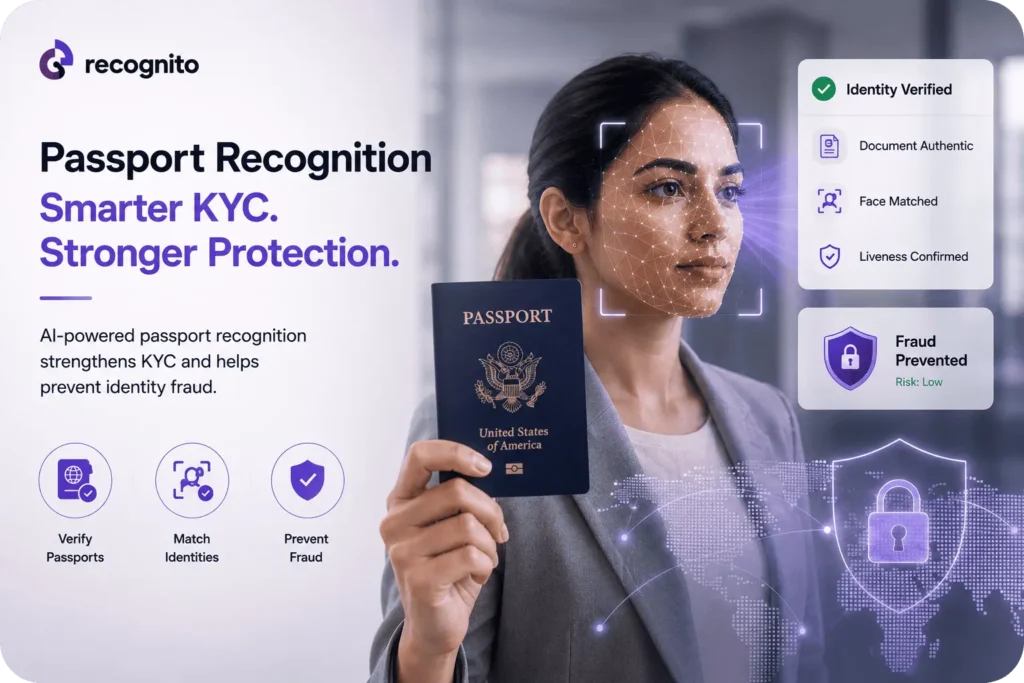
A passport is one of the strongest identity documents used in remote customer onboarding, but simply asking a customer to upload a passport image does not make the identity trustworthy. The image still needs to be captured correctly, the document needs to be recognized, its information needs to be extracted and validated, and the institution […]
How Face Authentication SDK Delivers Faster and Safer Identity Checks
When an application needs to confirm that a user is really who they claim to be, verification has to satisfy two demands: strong resistance to impersonation and a fast enough experience that legitimate users do not abandon it. That is where a face authentication SDK becomes useful. Instead of building camera capture, face detection, biometric […]
Discover How Fake ID Checkers Are Changing Identity Verification
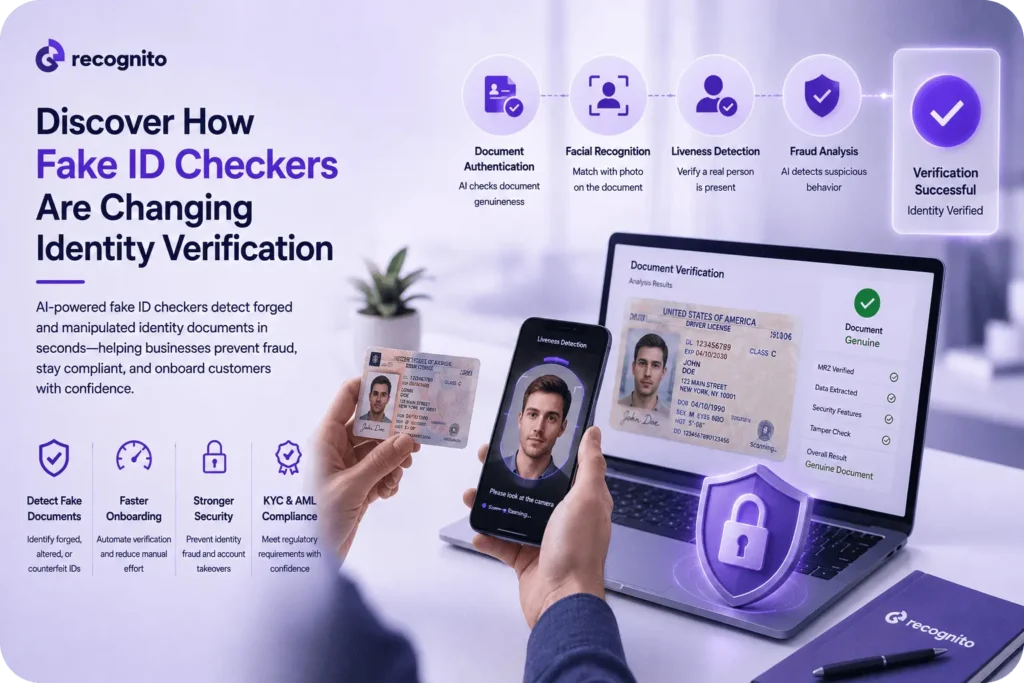
A fake ID checker now goes beyond checking whether a document looks convincing. Modern identity verification combines document recognition, OCR, image analysis, authenticity checks, and biometric signals to determine whether an identity document should be trusted. For banks, fintechs, marketplaces, telecom providers, and other businesses verifying customers remotely, the question has changed from “Can we […]
How Advanced Bio-IoT Are Transforming Smart Home Security
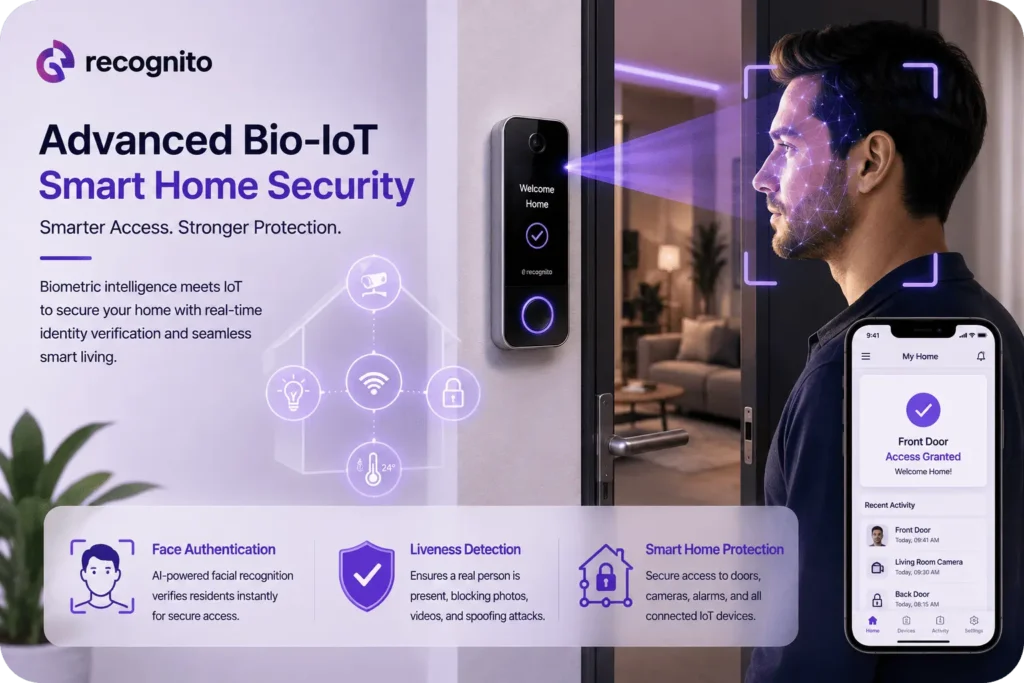
Smart homes are becoming less like collections of connected appliances and more like interconnected security environments. Cameras watch entrances, locks control access, sensors detect movement, voice assistants respond to commands, and connected devices continuously exchange information. That connectivity creates a major opportunity for stronger security, but it also creates a larger attack surface. A compromised […]